
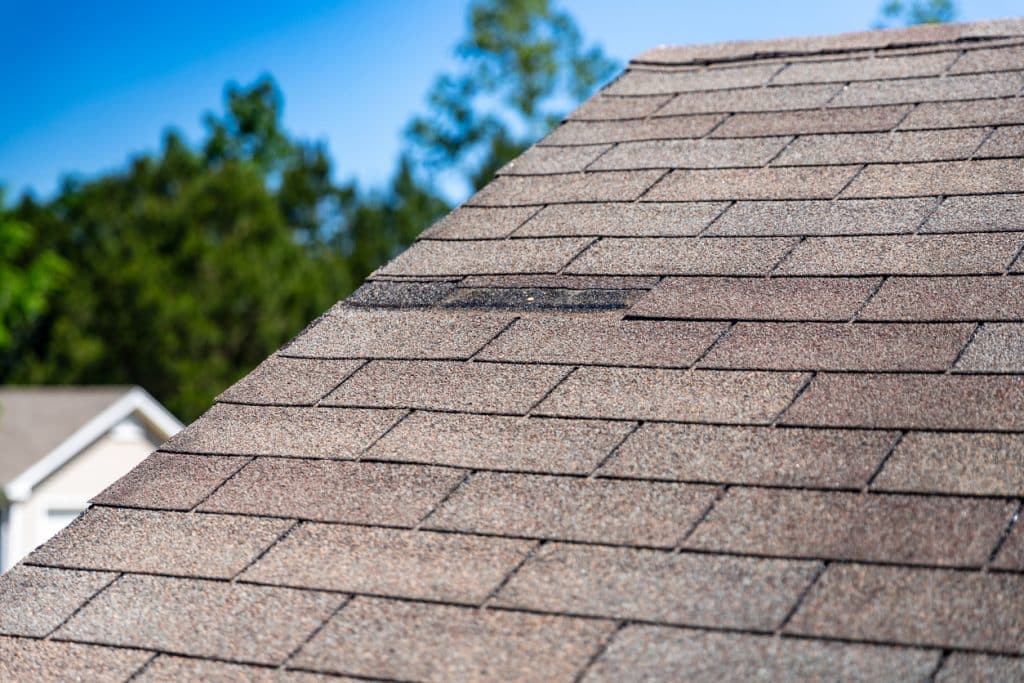
When homeowners think about their roofs, they usually have a single number in mind: the age. We are conditioned to believe that a 10-year-old roof is “middle-aged” and a 20-year-old roof is “nearing the end.” However, in the roofing industry, we often see a surprising phenomenon. We might inspect a 10-year-old roof that is granularly depleted and leaking, only to visit a 22-year-old roof the next day that is still performing beautifully.
The truth is that the calendar is often a poor indicator of a roof’s health. At Signature Exteriors, we look at the “effective age” rather than just the chronological one. Here is why a younger roof can sometimes be “older” than one twice its age.
The Foundation: Installation Quality
A roof is only as good as the hands that installed it. You could buy the most expensive architectural shingles on the market, but if they are high-nailed or the flashing is improperly integrated, that roof is “aging” from day one.
Poor installation leads to premature shingle loss during minor wind events and slow-burning leaks that rot the decking underneath. While a professional roof replacement done correctly can easily last 25 years, a “budget” installation might start showing signs of structural failure before its tenth birthday.
The Silent Killer: Poor Attic Ventilation
If you want to know why a 10-year-old roof is failing, look in the attic. Ventilation is the “lungs” of your home. Without proper airflow, heat and moisture become trapped. In the summer, attic temperatures can soar above 150 degrees, effectively “baking” your shingles from the inside out. This causes the asphalt to become brittle and the granules to shed prematurely.
A 20-year-old roof with a perfectly balanced intake and exhaust system will likely outlast a 10-year-old roof that is suffocating. If you notice your shingles curling or “cupping” early in their lifespan, it’s a classic sign of a ventilation crisis.
Environmental Factors and Tree Cover
Location is everything. A roof that sits under a heavy canopy of oak or pine trees faces challenges that a roof in an open field does not. Overhanging branches drop debris that traps moisture against the shingles, leading to moss and algae growth. This organic matter eats away at the limestone filler in the shingles, accelerating decay.
Furthermore, if one side of a house is perpetually in the shade while the other is baked by the afternoon sun, the roof will age unevenly. Regular roof maintenance, such as clearing debris and trimming branches, can keep a 20-year-old roof youthful, while neglect can make a 10-year-old roof look ancient.
Maintenance vs. Neglect
Think of your roof like a car. A car with 100,000 miles that has had regular oil changes and belt replacements will often run better than a car with 40,000 miles that has been driven into the ground without a single service.
Small issues, like a cracked pipe boot or a loose piece of flashing, are inexpensive to fix if caught early. If left alone, they allow water to penetrate the system, leading to mold and deck rot. By the time a homeowner notices a ceiling stain, the “effective age” of the roof has skyrocketed.
Don’t Trust the Calendar, Trust an Inspection
If you are buying a home or planning your home improvement budget, don’t rely solely on the year the shingles were nailed down. A 10-year-old roof isn’t always a “safe” roof.
At Signature Exteriors, we provide comprehensive roof inspections that look past the date on the permit. We examine the ventilation, the shingle integrity, and the quality of the original workmanship to give you the real story of your roof’s lifespan.
Is your roof older than it looks? Contact Signature Exteriors today to schedule a professional roof evaluation.