
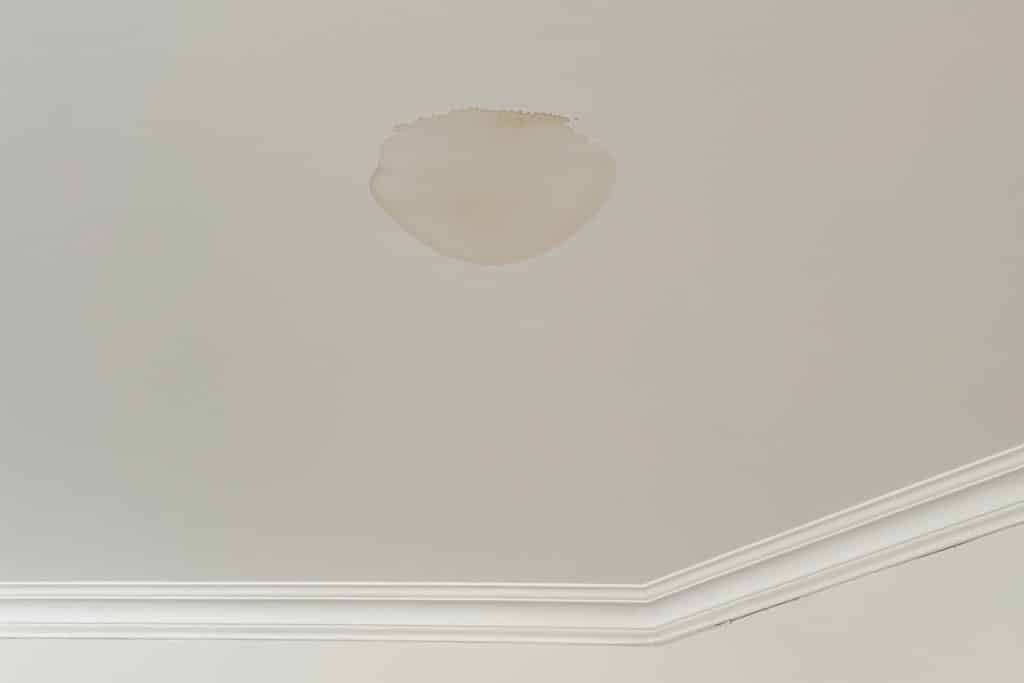
There is a specific kind of dread that sets in when a homeowner notices a tea-colored ring forming on their ceiling. The immediate assumption is usually, “I need a new roof.” However, at Signature Exteriors, we often find that the culprit isn’t the shingles at all. Instead, the source of the “mystery” stain is often the most complex structural penetration on your roof: the chimney.
Because chimneys are made of different materials than the rest of your roof, typically brick, stone or mortar, they expand and contract at different rates. This makes them a prime candidate for water intrusion. Here is how to identify if your leak is a roofing issue or a chimney crisis.
The Most Common Culprit: Damaged Flashing
If your ceiling stain is located near the hearth or along the wall where the chimney stack runs through the house, the first thing we check is the flashing. Flashing is the metal transition that creates a water-tight seal between the vertical surface of the chimney and the horizontal surface of the roof.
Over time, the sealant used to secure the flashing can dry out and crack. In other cases, the metal itself can rust or pull away from the masonry. When this happens, gravity does the rest, funneling rainwater directly behind the shingles and into your attic. A professional roof repair often involves resealing or replacing this flashing to stop the “mystery” leak in its tracks.
The Chimney Crown and Masonry Issues
Sometimes the leak isn’t coming from the junction where the chimney meets the roof, but from the chimney itself. The “crown” is the concrete cap at the very top of the chimney. Because it is constantly exposed to the sun and rain, it can develop hairline cracks.
In addition, bricks and mortar are naturally porous. During a heavy, driving rain, an old chimney can actually soak up water like a sponge. Once the masonry is saturated, the moisture has nowhere to go but down, eventually manifesting as a stain on your ceiling or even dampness inside your fireplace.
The Role of the “Cricket”
On larger chimneys, or those located at the bottom of a roof slope, a “cricket” is essential. A cricket is a small, peaked diversion structure built behind the chimney to prevent water and debris from pooling against the chimney wall.
If your home was built without a cricket, or if the cricket was improperly installed, water will “pond” behind the chimney. This standing water eventually finds a way under the shingles. During our roof inspections, we pay close attention to these high-traffic water areas to ensure your roof’s geometry is actually working for you, not against you.
Why the “Mystery” Requires a Professional
Water is a master of disguise. It rarely travels in a straight line. It can enter through a crack in the chimney crown, run down a rafter, and finally drip onto your ceiling ten feet away from the actual entry point. This is why many DIY “fixes”, like slathering roofing cement around the base of the chimney, often fail. They address the symptom, not the source.
Our team at Signature Exteriors uses years of experience to trace the path of the water. We look for the subtle signs of masonry saturation, flashing fatigue and structural gaps that the untrained eye might miss.
Don’t Let a Small Stain Become a Big Problem
A ceiling stain is more than just an eyesore; it is a warning sign of potential mold growth and structural wood rot. If you are dealing with a mystery leak, don’t wait for the next storm to see if it gets worse. Whether you need a targeted repair or a full roof replacement, we can help you identify the source and protect your home.
Is your chimney causing a hidden leak?
If so, contact Signature Exteriors today for a comprehensive inspection and peace of mind.