
We all love a good DIY project or a quick fix from the friendly neighborhood handyman. It saves a few bucks and gets the job done quickly. But when it comes to your roof, taking the cheap route can cost you thousands of dollars in the long run. Would you let your dentist fix your car engine? Probably not. So why let a jack-of-all-trades mess with the most critical protection your home has against the elements?
Your roof is a complex system designed to shed water and breathe properly. A general handyman simply doesn’t have the specialized training or certification to understand the nuances of modern roofing systems. Let’s look at the five big mistakes that unlicensed workers make that will ruin your roof.
1. Using the Wrong Type of Caulk
This is the most common sin in the roofing world. You might think “caulk is caulk,” but that could not be further from the truth. A handyman often grabs a tube of generic silicone or acrylic caulk from the hardware store to patch a leak around a vent or chimney.
The problem? Those materials degrade rapidly under intense UV rays and temperature fluctuations on a roof. Certified roofers use specialized sealants designed specifically for asphalt shingles and metal flashing. When generic caulk fails (and it will), water seeps right back in and causes rot you won’t see until your ceiling has a water stain.
2. Walking on Shingles Improperly
Did you know there is a right way and a wrong way to walk on a roof? On a hot summer day, asphalt shingles become soft and pliable. If someone stomps around in heavy work boots or twists their feet while turning, they can scuff the protective granules right off the shingle.
Those granules are basically the sunscreen for your roof. Once they are gone, the asphalt dries out, cracks and fails prematurely. Professional roofers wear soft-soled shoes like cougar paws and know exactly where to step to avoid damaging the integrity of your shingles.
3. Improper Flashing Installation
Flashing is a thin metal material used to direct water away from critical areas such as chimneys, valleys and vents. It is the trickiest part of roofing and requires precision. A handyman might try to reuse old flashing or simply nail new flashing on top of shingles without weaving it correctly into the system.
This is a recipe for disaster. If water gets under that metal because it wasn’t layered correctly, it has a direct path into your attic. You need a certified specialist who understands the geometry of water flow.
4. Nailing Shingles Incorrectly
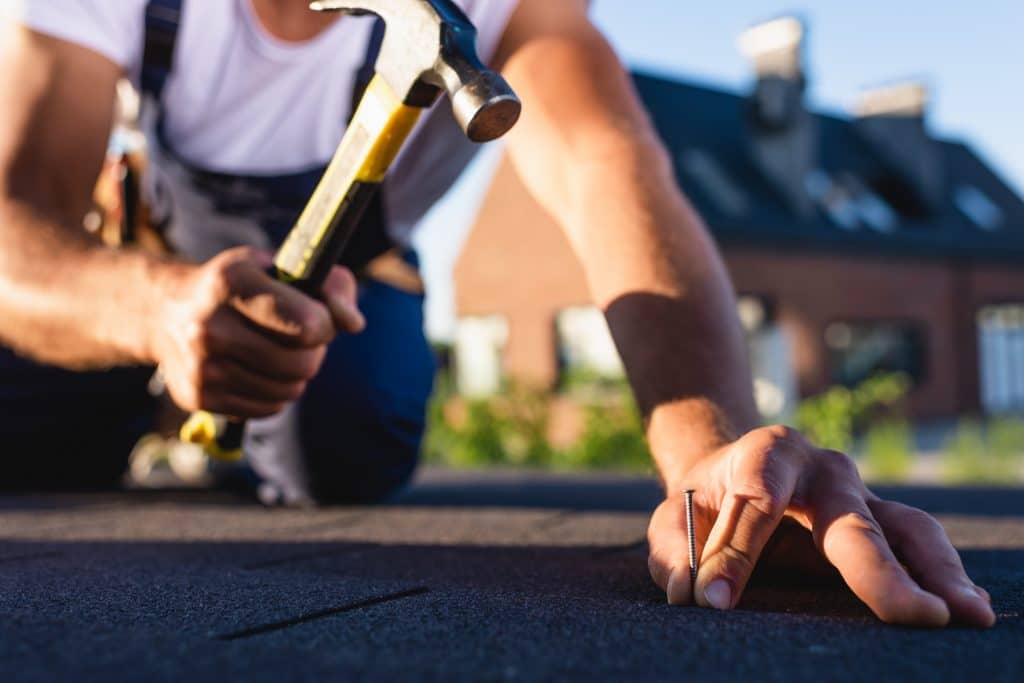
It sounds simple enough to hammer a nail, but placement is everything. If a nail is placed too high on the shingle, it won’t catch the shingle below it. If it is placed too low, the nail head is exposed to the rain.
Handymen often use “high nailing” techniques or overdrive the nails so they punch right through the mat. Both mistakes drastically reduce your roof’s wind rating. The next time a storm rolls through, your shingles might end up in your neighbor’s yard.
5. Covering Up Ventilation
A balanced attic needs to breathe. We see it all the time where a handyman installs new insulation or repairs the soffit and accidentally blocks the intake vents. Without proper airflow, your attic overheats in the summer and cooks your shingles from the bottom up.
Trusting your home to Signature Exteriors means getting peace of mind. We are certified specialists who understand the science behind your roof. Don’t risk your investment on a quick fix that causes long-term damage.
Is your roof ready for a checkup? Contact us today for a professional inspection that you can trust.