
We are in the heart of the Carolina summer, and while your landscaping might be in full bloom, there is a hidden danger lurking just beneath the surface. Many homeowners spent the spring refreshing their flower beds with thick layers of mulch to beat the heat, but as the summer humidity peaks and afternoon thunderstorms roll in, those lush gardens could be hiding a hazard that could cost you thousands.
At Signature Exteriors, we see this issue and refer to it as The Mulch Trap.
While mulch is fantastic for keeping your plants hydrated during a Charlotte or Greenville heatwave, piling it too high against your home can lead to catastrophic damage to your siding installation . Here is the “viral” tip every homeowner needs to check before the next big storm hits.
What is the “Mulch Trap”?
Mulch is designed to do one thing exceptionally well: hold moisture. This is great for your hydrangeas, but it is a nightmare for your home’s exterior.
When mulch is piled high enough to touch your siding or worse, cover the gap between your foundation and your siding, it creates a “moisture bridge.” This bridge allows water to sit directly against your bottom row of siding and the sill plate (the wooden frame that sits on top of your foundation). In the sweltering humidity of July and August, that trapped water never has a chance to evaporate.
The Hidden Damage: Rot and Pests
Because mulch stays damp long after the rain stops, it creates a constant state of humidity against your home. This leads to several critical issues:
Wood Rot: If you have wood or fiber cement siding, the bottom edges will begin to soften, crumble, and rot.
Sill Plate Failure: Once moisture gets behind the siding, it attacks the sill plate. Replacing a rotted sill plate is a major structural repair that often requires “jacking up” parts of the home.
Pest Highways: Termites and carpenter ants love damp wood and mulch. A high mulch bed provides them with a hidden, moist tunnel directly into your home’s framing.
Vinyl Warping: Even if you have vinyl siding, the trapped heat and moisture can cause panels to buckle or grow unsightly mold and mildew.
The Viral Tip: The “6-Inch Rule”
If you want to save your siding and your bank account, follow the 6-inch rule.
Professional landscapers and siding experts recommend maintaining at least 6 inches of visible foundation between the ground (mulch) and the start of your siding. This “air gap” allows your home to breathe and ensures that moisture can evaporate rather than soaking into your walls.
How to Fix It
If you realize your mulch beds have “crept up” over the years, here is what to do:
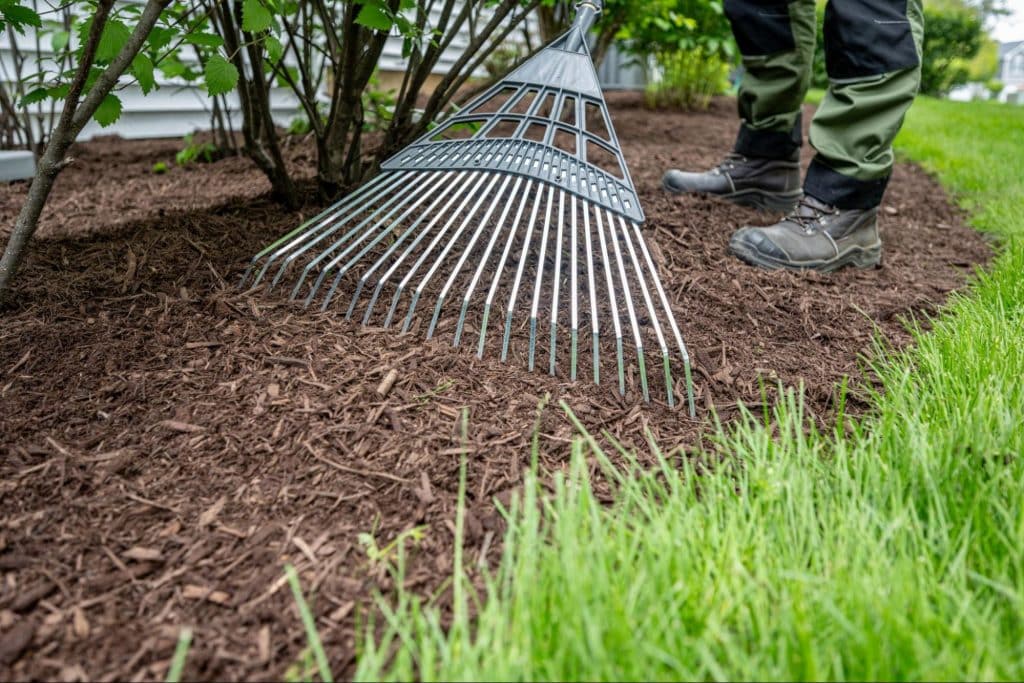
- Rake it back: Pull mulch away from the house so it slopes downward and away from the foundation.
- Check your gutters: Ensure your gutter installation is directing water far away from your flower beds to prevent “pooling” near the siding.
- Inspect the bottom row: Feel the bottom edge of your siding. If it feels soft or looks discolored, it’s time for a professional inspection.
At Signature Exteriors, we specialize in siding repair and replacement throughout Charlotte, NC, and Greenville, SC. If the “Mulch Trap” has already taken a toll on your home, don’t wait for the rot to spread.
Contact us today for a professional assessment and let’s get your home’s exterior back in top shape!