
A new roof can make your home look better, protect it from leaks and boost curb appeal. But what happens when the old shingles are not removed first?
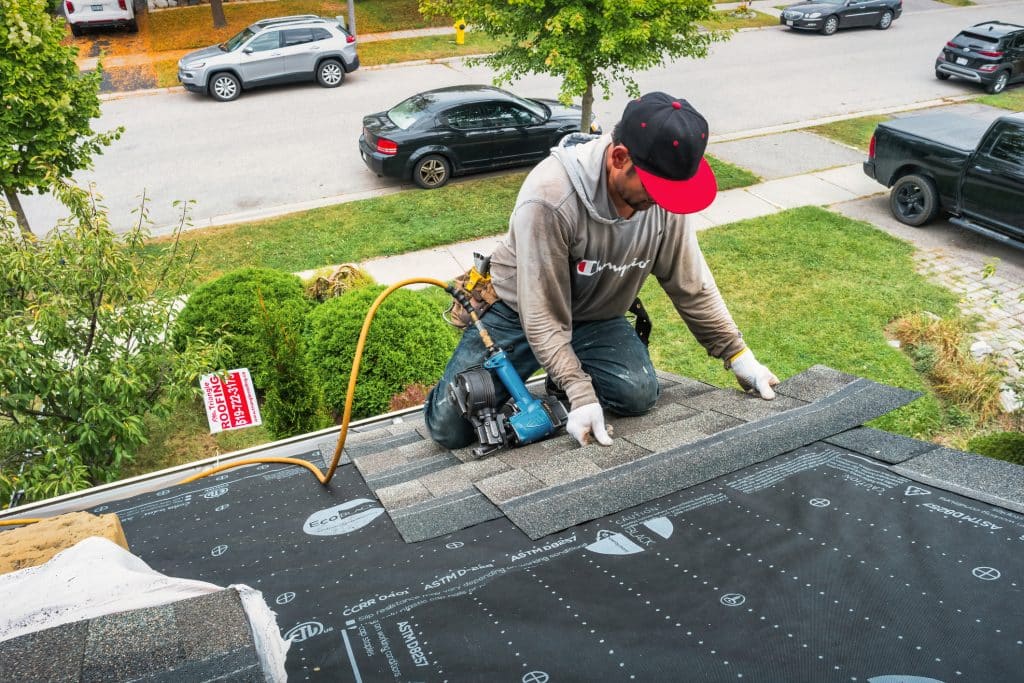
That shortcut is called layering shingles, also known as a shingle-over. It means a roofing crew installs new asphalt shingles directly over the existing roof instead of tearing off the old materials. Sounds faster, right? Maybe even cheaper?
Here’s the catch: your roof has to carry all that extra weight. Over time, that added load can create serious structural problems, including cracked interior drywall, sagging roof decking and even foundation stress.
If you are doing an online search for roof replacement, roof inspection, asphalt shingle roofing or roofing contractors near me, this is one issue you should understand before making a decision.
How Much Does a Roof Actually Weigh?
Most homeowners do not think about roof weight. Why would you? Shingles look thin. One bundle does not seem that heavy.
But spread those shingles across an entire roof and the numbers add up fast.
A typical layer of asphalt shingles can weigh thousands of pounds, depending on the roof’s size. Add a second layer, and your home may now be carrying the weight of an extra small car or two on top of the framing.
That weight does not just sit there quietly. Gravity pulls it downward every minute of every day. Your rafters, trusses, walls and foundation all work together to manage that load.
Add rain, snow, ice or trapped moisture, and the pressure increases even more. Is your home built to handle that extra strain? Sometimes yes. Sometimes not.
Why Shingle-Overs Can Cause Structural Stress
A roof is part of a larger system. When you add weight at the top, the force travels down through the house.
Think of it like stacking boxes. One box is fine. Two may be okay. Keep adding more, and the bottom box starts to bow, buckle or crack. Your home reacts similarly when roof loads exceed what the structure was designed to carry.
The Pressure Moves Downward
Extra roof weight can affect:
- Roof rafters and trusses
- Roof decking
- Exterior walls
- Interior ceilings
- Drywall seams
- Foundation walls and footings
That is why a roofing issue can show up inside your home. Cracks near ceilings, doors that stick or new gaps around trim may not seem connected to your roof at first, but the added roof load can shift stress through the whole structure.
Why Cracked Drywall Can Be a Warning Sign
Have you noticed cracks forming along your ceiling or upper walls? Do they keep coming back after patching?
Cracked interior drywall can happen for many reasons, but roof weight should not be ignored. When extra shingles push down on the roof framing, the movement can transfer into ceiling joists and wall framing. Drywall does not flex well, so it cracks.
Common warning signs include:
- Cracks where walls meet ceilings
- Nail pops in drywall
- Doors or windows that suddenly stick
- Uneven ceiling lines
- Sagging areas in the roof deck
One small crack may not mean disaster. But a pattern of new cracks after a roof overlay? That deserves a closer look.
How Roof Weight Can Stress the Foundation
Your foundation supports the entire home. When a second layer of shingles adds thousands of pounds above it, that load eventually moves down.
In many homes, the foundation can handle normal roofing materials. The problem comes when extra roof weight combines with other stress factors like expansive soil, poor drainage, aging framing or heavy snow loads.
Over time, that added pressure can contribute to foundation movement. You may see basement cracks, uneven floors or gaps around windows. The roof may be at the top of the house, but the foundation can still feel the impact.
Why a Tear-Off Is Often the Smarter Choice
A full roof tear-off takes more work, but it gives roofing contractors a clear view of the decking underneath. That matters.
When old shingles stay in place, they can hide:
- Rotten roof decking
- Soft spots
- Old leaks
- Poor ventilation
- Damaged flashing
Installing new shingles over those problems does not fix them. It covers them up. A proper roof replacement removes the old materials, checks the structure and gives your new roof a clean base.
That means better performance, better appearance and fewer surprises later.
Trust Signature Exteriors for Roofing and Siding Help
Your roof should protect your home, not overload it. If you are wondering whether your roof is too heavy or if layering shingles was done on your home, Signature Exteriors can help.
Our team understands roofing systems, siding, ventilation and exterior protection from the top down. Whether you need a roof inspection, roof repair, full roof replacement or expert siding guidance, we are here to give you honest answers and quality work.
Before you choose a shingle-over, ask the big question: Is saving time now worth risking structural stress later?
For trusted roofing and siding support, turn to Signature Exteriors. Your home deserves a roof that is built right from the start.